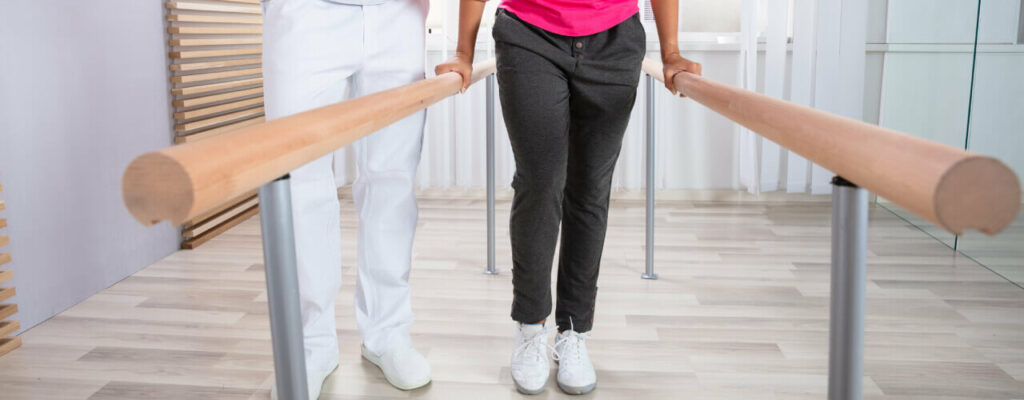
Neurological conditions show up in how a person walks, how steadily they stand, and how confidently they move through their day. For people living with multiple sclerosis, Parkinson’s, or neuropathy, those movement changes are often what affect daily life the most.
Physical therapy does not treat the underlying condition. What it does is address what the condition does to the body. At Total Performance Physical Therapy, we build individualized plans around each person’s actual challenges, not a generic program.
How We Work with Multiple Sclerosis
Can physical therapy help with MS? It can, and we see the difference consistently. Multiple sclerosis affects everyone differently, but the core challenges follow recognizable patterns. Weakness, fatigue, stiffness, balance issues, changes in how someone walks. These are the things that quietly take over daily life, and they are exactly what we focus on.
With multiple sclerosis, there is a fine line between doing enough and doing too much. Physical therapy for MS walks that line carefully, building strength and endurance without pushing the body into a flare. We work on balance and coordination, use stretching to reduce spasticity, and apply gait training to help people walk more safely and efficiently. MS physical therapy in Harleysville at Total Performance Physical Therapy adapts to how a person feels on any given day, because with multiple sclerosis, that changes.
How We Support People with Parkinson’s
Parkinson’s brings stiffness, slower movement, postural changes, and a shuffling gait that raises fall risk significantly. Exercise and movement-based therapy have some of the strongest evidence behind them for managing these symptoms.
Gait training for Parkinson’s is central to what we do. We work on stride length, rhythm, and the ability to turn safely. Cueing strategies, both visual and rhythmic, give the brain a prompt when movement stalls or hesitates. We also work on posture, which tends to collapse forward over time, and build the strength that keeps someone managing their own daily routine.
How Physical Therapy Helps with Neuropathy
When feeling in the feet is reduced or distorted, the body loses sensory information it relies on for balance. That raises fall risk in ways people often do not recognize until something goes wrong.
Physical therapy for neuropathy works on foot and ankle strength to compensate for reduced sensation, balance retraining to improve stability, and gait correction to address the compensations that develop around numbness. Sensory re-education helps the nervous system make better use of the input it does receive. Physical therapy for neuropathy is not about reversing nerve damage. It is about building what protects people despite it.
What Treatment Actually Looks Like
The way we treat these three conditions is more similar than it is different. Functional strengthening targets the muscles people need for real daily movement. Balance retraining challenges stability progressively so gains carry into actual life. When tightness or stiffness is getting in the way, manual therapy helps restore what movement is available. Walking practice and mobility work do the rest, rebuilding the stamina that neurological conditions quietly chip away at. And home exercise planning keeps progress going between sessions.
Why Coming In Earlier Makes a Difference
We consistently see better outcomes when people do not wait. Earlier intervention helps maintain independence longer, supports safer movement at home, and may slow functional decline. It also builds confidence, and confidence directly affects how willing people are to stay active. With neurological conditions, staying active is not optional. It is part of the management.
When to See Us
Frequent imbalance, difficulty walking, increased fatigue with daily activity, and fear of falling are all worth acting on. Neurological physical therapy in Horsham at Total Performance Physical Therapy is one-on-one care built around neurological movement and functional recovery. Neurological physical therapy in Horsham means the plan is shaped around each person’s condition, ability, and goals.
Quick FAQs
- Can physical therapy slow progression in Parkinson’s? It cannot stop neurological progression, but it can meaningfully slow functional decline. Exercise is one of the most supported interventions for maintaining mobility in Parkinson’s.
- Is exercise safe for people with multiple sclerosis during fatigue flare-ups? Generally yes, with modification. We adjust intensity based on how someone is feeling that day rather than pushing through significant fatigue.
- Can physical therapy help numb feet from neuropathy? It cannot restore sensation, but it builds the strength and balance that protect people despite reduced feeling. Most patients notice real improvements in stability.
- How often should neurological physical therapy be done? Every person gets assessed on their own terms. From there we build something that actually fits their condition, their week, and where they are right now.
- Does Total Performance Physical Therapy treat balance problems from neurological conditions? Balance issues tied to neurological conditions are something we work with regularly. Can physical therapy help with MS related balance specifically? It is one of the areas where we see the strongest results.