As a pelvic floor physical therapist, one of the most common—and most misunderstood—conditions treated is fecal incontinence. While it can feel deeply isolating and embarrassing, it’s far more common than most people realize, and it is absolutely treatable. Our goal is to help you understand what’s happening in your body, why it’s happening, and what steps you can take to regain control and confidence.
What Is Fecal Incontinence?
Fecal incontinence is the involuntary loss of stool or gas. It can range from difficulty controlling gas to occasional leakage to complete loss of bowel control. Many people assume it’s simply a consequence of aging or childbirth, and that nothing can be done. Fortunately, that’s not true.
Why Does It Happen?
Several systems contribute to bowel control, so fecal incontinence can have multiple causes. The most common include:
1. Pelvic Floor Muscle Weakness
The pelvic floor muscles act as a supportive sling for the rectum and help maintain continence. Weakness—often from childbirth, surgery, chronic constipation, aging, or nerve injury—can make it harder to hold stool.
2. Anal Sphincter Injury
Tears during childbirth (especially forceps or vacuum deliveries), surgical procedures, or trauma can weaken the muscles directly responsible for keeping the anus closed.
3. Nerve Dysfunction
Conditions like diabetes, spinal cord injuries, or prolonged straining with constipation can impair the nerves that communicate between the brain and pelvic floor.
4. Stool Consistency Issues
Loose stool is simply harder to control. Chronic diarrhea, inflammatory bowel conditions, or food sensitivities can contribute.
5. Rectal Sensation Changes
Some people have decreased sensation and don’t feel the urge to have a bowel movement until it’s too late.
How Pelvic Floor Physical Therapy Can Help
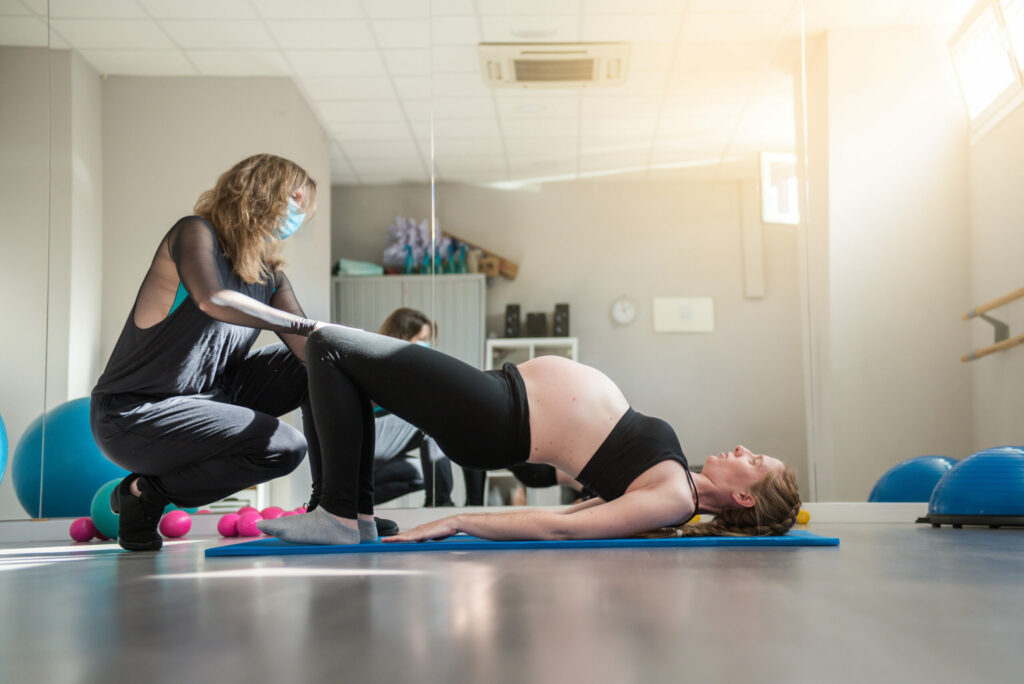
Pelvic floor PT is one of the most effective conservative treatments for fecal incontinence. We tailor therapy to your specific needs, often addressing several areas at once:
- Pelvic Floor Strengthening: We teach targeted exercises—not just “Kegels”—to help improve control of the anal sphincter and pelvic floor.
- Coordination & Timing: Continence requires the pelvic floor, abdominal wall, and diaphragm to work together. Many people have the strength but not the coordination—we help retrain that system.
- Bowel Retraining : We work on routines to encourage regular, predictable bowel movements and optimize the gastrocolic reflex.
- Stool Consistency Management : Simple dietary changes, hydration strategies, or fiber adjustments can make a dramatic difference.
- Education & Lifestyle Strategies: We cover urge suppression techniques, toileting posture, and strategies to avoid straining.
What You Can Start Doing Today
- Increase soluble fiber (like psyllium husk) to bulk stool, if loose stool is a concern.
- Hydrate consistently.
- Practice coordinated breathing—exhale on effort and avoid breath-holding, which strains the pelvic floor.
- Use a footstool during bowel movements to improve alignment.
- Notice triggers like caffeine, artificial sweeteners, or spicy foods.
When to Seek Professional Help
If fecal incontinence is happening more than occasionally, if it’s impacting your life, or if you’re avoiding social situations because of fear of leakage, it’s absolutely time to reach out. A pelvic floor PT, colorectal specialist, or urogynecologist can help determine the cause and build a treatment plan.
You Are Not Alone—and You Deserve Support
Fecal incontinence can take a toll on your mental and emotional health, but it is not your fault, and you don’t have to live with it. With the right care, many people see significant—sometimes life-changing—improvements.