
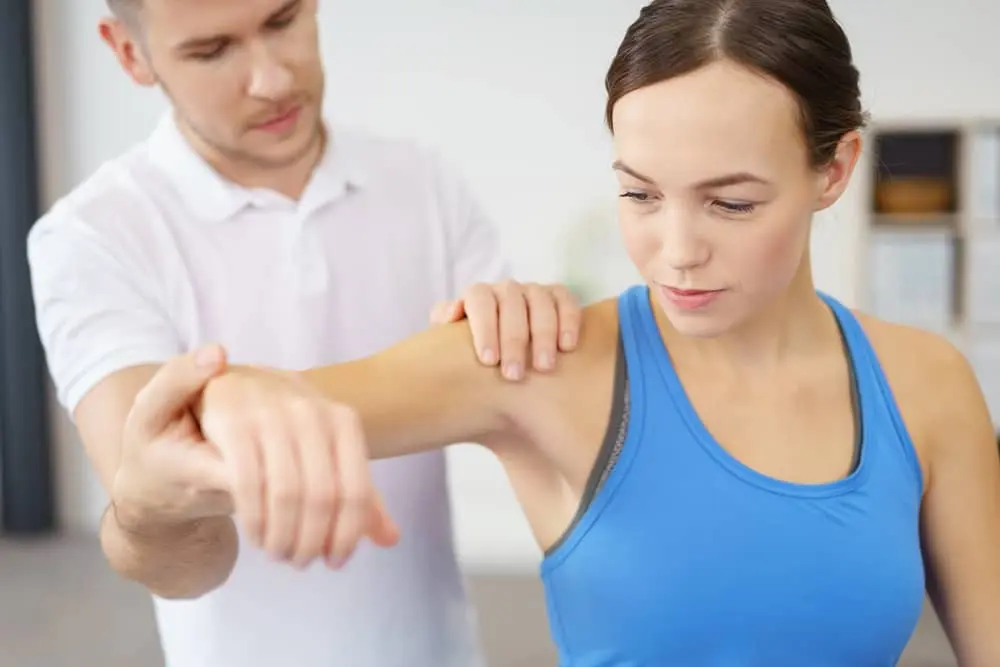
If you’ve ever felt that deep, nagging pain in your shoulder or hip that just won’t go away, you’re not alone. Labral injuries are surprisingly common, especially among athletes and active adults. I’ve seen baseball pitchers, swimmers, and even weekend tennis players walk into my clinic with that same worried look: “Will I ever get back to my sport?”
The truth is, recovery is possible. It takes the right kind of care, a little patience, and a plan that fits your body and your goals. I’ve seen it happen time and again with my patients, and I know it can happen for you too.
Understanding a Labrum Tear: What’s Actually Injured?
Think of the labrum as a cushion of cartilage that surrounds your joint, giving it stability and support. It’s small, but it plays a big role. In the shoulder and hip, it acts almost like the rim of a cup, keeping the ball of the joint in place. When that rim is damaged, things start to feel painful, unstable, or even “catchy.”
Here are the most common tears I see in the clinic:
- SLAP tears, which often happen in athletes who throw or serve overhead
- Bankart tears, usually following a shoulder dislocation
- Acetabular tears in the hip, common among runners, gymnasts, or dancers
Catching it early really matters. If you push through the pain for too long, the body often starts compensating in ways that create more problems down the road.
How to Recover from a Labrum Tear in Harleysville
So how does recovery work in real life? At our Harleysville clinic, we usually begin by calming the pain and helping you get some gentle movement back. Once things settle, we focus on strengthening the muscles that support your joint. We also work on a balance between flexibility and stability, because both are key. The goal isn’t just to reduce pain, it’s to give you control and confidence in how you move again.
I had a patient, a young lacrosse player, who thought her season was over after her diagnosis. With a careful rehab plan, she not only returned to play but did so stronger than before.
Best Physical Therapy for Labrum Tear in Horsham
Every labrum tear is different, and that’s why cookie-cutter plans don’t work. At our Horsham location, we design personalized programs that include hands-on therapy, targeted strength training, and education on how to move smarter.
One patient I’ll never forget was a recreational weightlifter. He struggled to even sleep without pain. A few months later, after guided therapy and gradual reloading, he was back to lifting and this time with better form and no pain.
Shoulder Labrum Rehab Specialists in Hatfield PA
Shoulder rehab takes precision. You can’t just strengthen randomly; you need to retrain the small stabilizers, work on scapular control, and rebuild proprioception, the body’s sense of position.
Our Hatfield team works with athletes of all ages, from high school swimmers to middle-aged golfers, using advanced techniques to restore not just movement but confidence. And confidence is half the battle, isn’t it?
Where to Get Labrum Tear Rehab in East Norriton
Here’s something patients often tell me: “I tried PT before, but it didn’t help.” That’s because not all therapy is the same. At our East Norriton clinic, we don’t just hand you a sheet of exercises and send you home. We guide, we adjust, and we support you every step of the way.
We also help with scheduling and insurance headaches, because the last thing you need when you’re in pain is more stress.
Return to Sports After Labrum Tear in North Wales PA
When is it safe to go back? That’s the million-dollar question. At our North Wales clinic, we use clear return-to-play criteria: strength benchmarks, full range of motion, and functional testing. No guessing.
Our goal isn’t just to get you back in the game, it’s to keep you there. We also teach post-rehab training strategies to reduce your risk of another setback.
Why Total Performance PT Is a Trusted Name
Whether you’re in Harleysville, Horsham, Hatfield, East Norriton, or North Wales, you’ll find the same level of care from our team. Each clinic has its own personality, but we all share one approach: listening first, then building a plan that works for you. Some people come in after surgery, others want to avoid surgery altogether. Either way, we’ve walked this path with countless patients and know how to guide you through it.
Your recovery plan is never one-size-fits-all. It’s built around your goals, your body, and your life.
FAQs
Can you return to sports after a labrum tear?
Yes, many athletes do with proper rehab and guidance.
Do all labrum tears need surgery?
No, plenty can be managed successfully with physical therapy alone.
What’s the typical rehab timeline?
It varies, but most patients see progress within 3 to 6 months.
Is physical therapy enough for a torn labrum?
Often, yes. Many patients recover without surgery.
How do I know if I re-injured my labrum?
Persistent catching, locking, or deep joint pain are red flags, so get it checked out early.
