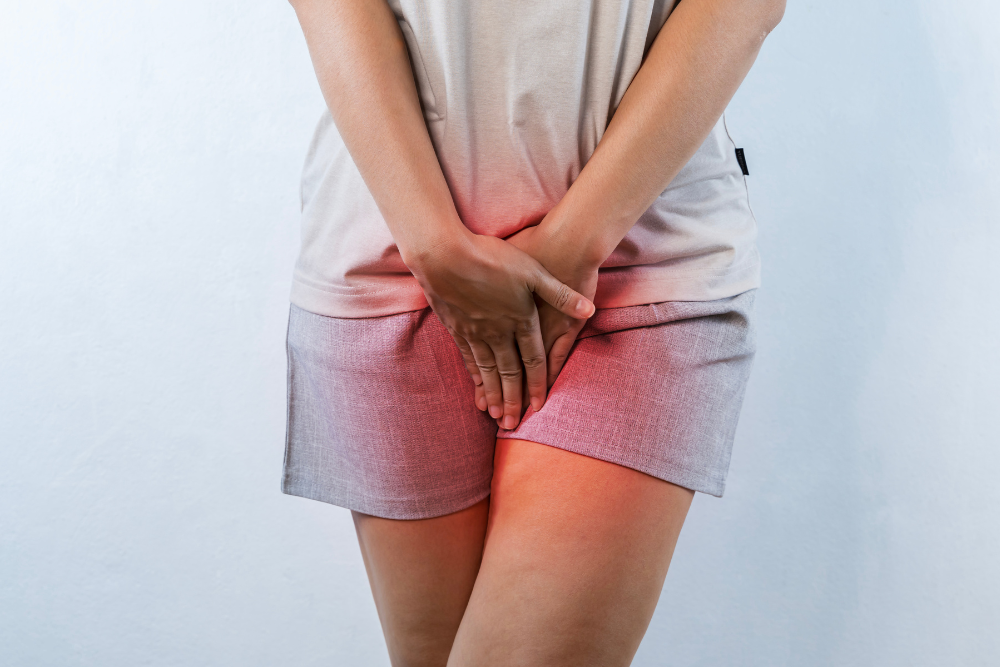
Chronic pelvic pain (CPP) is a condition that affects millions of people across all genders, yet it remains underdiagnosed and misunderstood. It is defined as pain in the pelvic region lasting six months or longer. Defined as pain in the pelvic region lasting six months or longer, CPP can range from a dull ache to sharp, stabbing pain. It may be constant or come and go, and it often involves multiple systems: the musculoskeletal, gastrointestinal, urinary, and reproductive systems.
Because of its complexity, chronic pelvic pain requires a comprehensive approach. One of the most effective evidence-based treatments available is pelvic floor physical therapy.
Common Symptoms of Chronic Pelvic Pain
People with CPP may experience one or more of the following:
- Pain with sitting or prolonged standing
- Pain during or after intercourse (dyspareunia)
- Painful bowel movements or urination
- Pressure or heaviness in the pelvis
- Low back or hip pain that doesn’t resolve with traditional treatment
Causes of Chronic Pelvic Pain
CPP does not have one single cause. Instead, it often results from a combination of factors, including:
- Pelvic floor dysfunction: Overactive or weakened muscles that can’t properly relax or support the pelvis
- Gynecological or urological conditions: Endometriosis, interstitial cystitis, irritable bowel syndrome (IBS)
- Post-surgical scarring or adhesions
- Childbirth-related changes
- Emotional and psychological stress that heightens pain sensitivity
In many cases, it’s a combination of physical, neurological, and psychological factors.
How Pelvic Floor Physical Therapy Helps
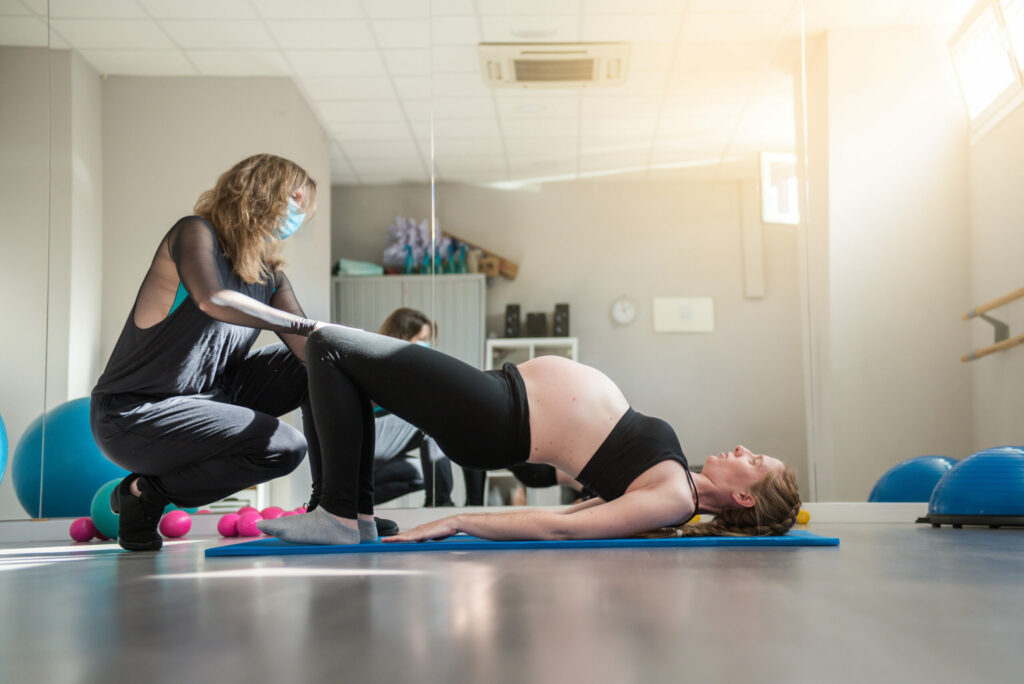
Pelvic floor therapy addresses the muscles, fascia, nerves, and joints in and around the pelvis. At Total Performance Physical Therapy, our pelvic PT specialists create individualized treatment plans that may include:
1. Comprehensive Evaluation
We start by understanding your story. A full history, musculoskeletal and pelvic exam helps us identify patterns of muscle tension, postural imbalances, and trigger points. We look beyond the pelvis — at the spine, hips, diaphragm, and even your breathing patterns.
2. Internal and External Manual Therapy
We use gentle, hands-on techniques to release restrictions in the pelvic floor and surrounding muscles. This might include internal vaginal or rectal work (with full consent), myofascial release, scar tissue mobilization, and nerve gliding.
3. Neuromuscular Re-education
We help retrain your brain-body connection to restore coordination and reduce overactivity of the pelvic floor. Think of this as “resetting” the nervous system and teaching your muscles how to function optimally again.
4. Movement and Exercise Therapy
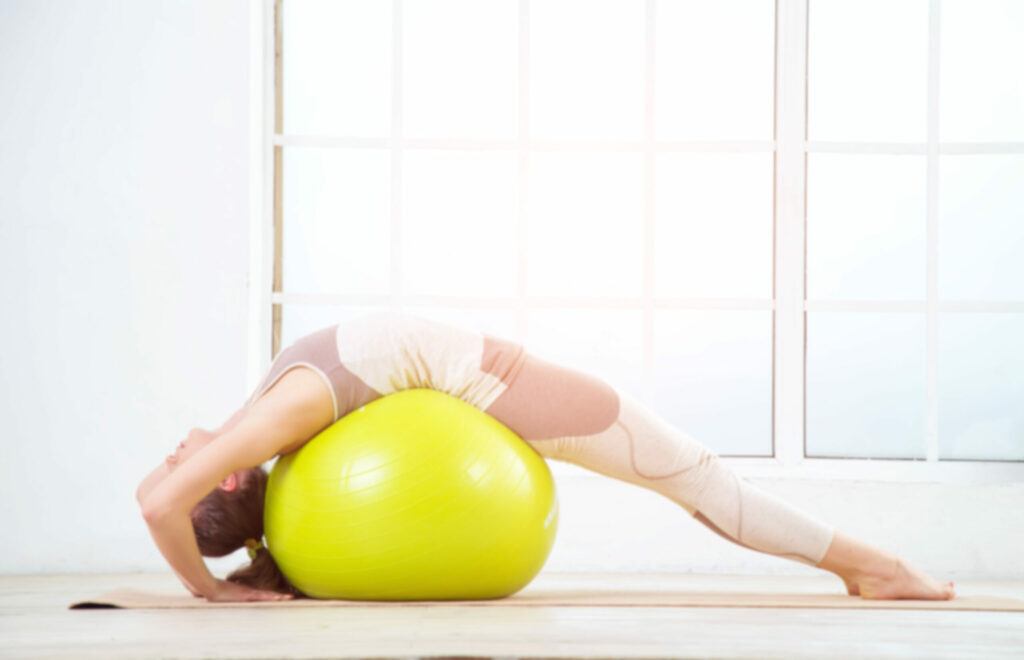
Your plan may include custom exercises for core stability, hip mobility, and whole-body alignment. We also incorporate breathing techniques, yoga-inspired movements, and pain education to help you stay active and resilient.
5. Lifestyle and Behavior Coaching
From toileting posture to stress management strategies, we work with you to identify daily habits that may be contributing to pain. We collaborate with other providers — such as gynecologists, urologists, mental health professionals, and nutritionists — to ensure truly integrated care.
A Path Forward
Living with chronic pelvic pain can feel overwhelming, but there is hope. Pelvic floor physical therapy is not a quick fix — it’s a gradual, empowering journey to reduce pain, restore function, and help you return to the activities you love.
Ready to take the next step? Schedule a consultation with one of our pelvic floor specialists today and start your path toward healing.