
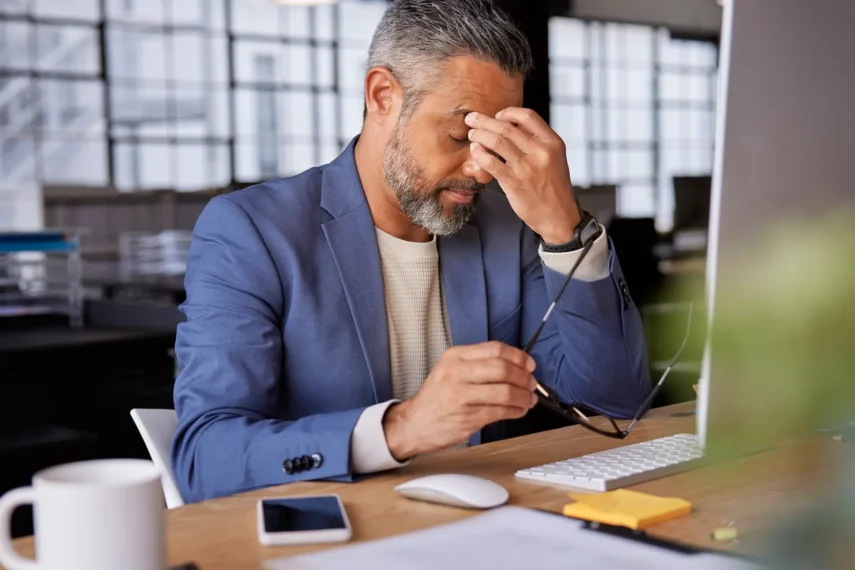
If you have ever come home after a long day, rubbed your neck, and said, “I carry all my stress here,” you are absolutely right. As a physical therapist and a practice owner, I see this every day.
Stress does not stay in your head. It shows up in your body, especially in your neck, shoulders, and back. When life feels heavy with deadlines, responsibilities, or constant pressure, your body reacts as if it is under threat. Muscles tighten, breathing becomes shallow, and posture starts to slip. Over time, that tension turns into real, persistent pain.
As the owner of a physical therapy practice, many of my patients come to me after trying everything like new pillows, stretches, and creams. They get temporary relief, but the pain keeps coming back. What I have learned through years of treating professionals like you is this. Lasting change only happens when we address both the stress and the movement patterns it creates.
When stress rises, your brain activates a protective response. Cortisol increases. You may clench your jaw or lift your shoulders without even noticing. Over time, this guarded state becomes your default. Your muscles forget how to relax, and pain builds. The body hurts, which creates more stress, and the cycle continues.
Breaking that cycle takes awareness, guided care, and consistent practice.
How Stress Impacts the Neck
In my clinic, stress related neck pain often presents as tight shoulders, stiffness, or headaches that start at the base of the skull. I often ask my patients to think about their workday. Hours at a laptop, leaning forward, shoulders creeping up, and breathing becoming shallow.
Over weeks and months, the neck stays in that guarded position.
When patients ask me what helps neck pain from stress, my answer is always the same. It is not one thing. It is a combination of hands on release work, posture correction that fits your daily routine, and simple, repeatable movements. In our clinic, treatment often begins with gentle manual therapy and guided breathing. Once the muscles begin to relax, we build habits that prevent the tension from returning.
How Stress Impacts the Back
The lower back carries stress just as much. I have had patients tell me, “I did not even move much today, but my back feels exhausted.” That is not unusual.
When anxiety increases, the muscles around your spine brace constantly. It is like your body is preparing for effort that never happens. One of my patients, a teacher, described it perfectly. Her body felt like she had run a marathon, even though she had been sitting most of the day.
Through a combination of stretching, breathing techniques, and targeted physical therapy, we were able to help her feel more relaxed, sleep better, and sit with better posture within a few weeks.
The Mind Body Loop
One of the most important things I explain to my patients is this. Pain and stress feed each other.
Pain increases stress. Stress increases pain.
While painkillers may offer short term relief, they do not teach your body how to relax. That is where physical therapy plays a critical role. Through breathwork, mobility exercises, and hands on treatment, we help reset the nervous system.
Many patients tell me the first change they notice is not complete pain relief. It is a sense of lightness. Their neck feels less heavy. Their breathing feels easier. That is the body starting to come out of its constant stress response.
How Physical Therapy Helps
At my practice, we focus on more than just exercises. My approach includes:
- Soft tissue release to reduce muscle guarding
- Mobility work to restore natural movement
- Posture training that fits your real work environment
- Breathing techniques to calm the nervous system
For busy professionals, this integrated approach creates lasting results. My goal is not just to reduce your pain temporarily. It is to help your body function better under stress so the pain does not keep returning.
Lifestyle Tips I Share with My Patients
The small habits you build during your day matter more than you think. Here is what I often recommend:
- Move frequently. Stand up every hour, roll your shoulders, and take a few slow breaths
- Improve your workspace. Keep your screen at eye level, feet flat, and arms supported
- Practice breath control. Inhale through your nose for four seconds and exhale for six seconds
- Build calming rituals. A short walk, warm shower, light stretching, or even laughter can reset your system
These small actions, when done consistently, can significantly reduce how much tension your body carries by the end of the day.
Conclusion
From my experience working with hundreds of patients, I can tell you this. Stress related pain is not a flaw in your body. It is a signal.
Your body is asking for support, not for you to push through.
With the right guidance, consistent practice, and a structured approach, your body can learn to relax again. You can move freely, sit comfortably, and feel more in control, even during stressful periods.
If you are dealing with ongoing neck or back tension, it may be time to address not just the symptoms, but the root cause.
FAQ
Can stress really cause neck and back pain
Yes. Stress increases muscle tension, affects posture, and limits movement, all of which contribute to pain.
Why does my neck hurt more when I feel anxious
Because your shoulders lift, your jaw tightens, and your breathing changes, placing extra strain on your neck.
How does physical therapy help with stress related pain
We reduce muscle tension, restore mobility, improve posture, and teach breathing techniques that calm the body.
What exercises help ease stress tension
Simple movements like chin tucks, shoulder rolls, spinal rotations, and controlled hip hinges can help, but proper guidance ensures they are done effectively.
