
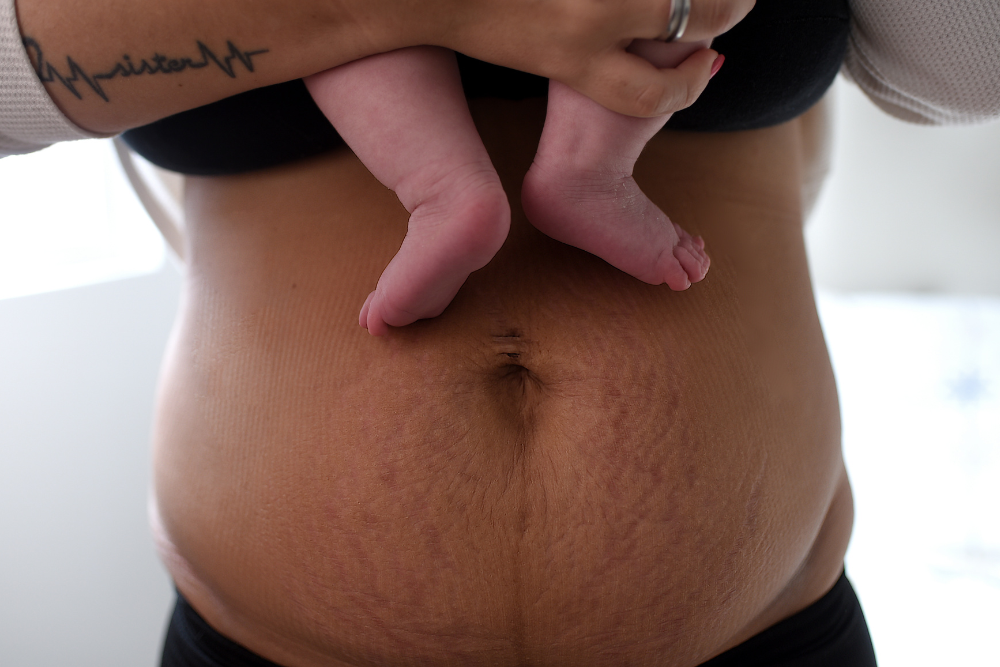
If you’re struggling with a lingering belly bulge, core weakness, or back pain after pregnancy, you might be dealing with Diastasis Recti Abdominis (DRA)—a condition that affects more people than you might think. Diastasis recti is more than a cosmetic issue—it’s a functional one. You deserve to feel strong, supported, and confident in your body again.
But here’s the good news: pelvic floor physical therapy can play a key role in your recovery and help you regain core strength safely and effectively.
What is Diastasis Recti?
Diastasis Recti is the separation of the rectus abdominis muscles—your “six-pack” muscles—along the midline of your abdomen. It’s most common during and after pregnancy due to the stretching of the abdominal wall, but it can also occur in men or women due to weight changes, improper core exercises, or chronic straining.
Some common signs of diastasis recti include:
- A visible or palpable gap down the midline of your abdomen
- A doming or “coning” appearance when you sit up or strain
- Low back pain
- Pelvic floor dysfunction (leaking, pressure, or pain)
- Poor posture or difficulty engaging your core
Why Diastasis Recti Matters
While DRA may be common, it’s not something you just have to “live with.” Left untreated, diastasis recti can lead to:
- Core instability
- Pelvic organ prolapse
- Urinary incontinence
- Hernias
- Ongoing back or pelvic pain
How Pelvic Floor Physical Therapy Helps
Pelvic floor physical therapists are uniquely trained to assess the entire core system, which include the abdominal wall, the pelvic floor muscles, the respiratory diaphragm, and the deep back muscles
Here’s how we help you heal diastasis recti safely and functionally:
1. Comprehensive Assessment
We begin with a detailed evaluation of your abdominal wall, posture, breathing patterns, and pelvic floor function. We measure the depth and width of your diastasis and check for muscle coordination.
2. Breath and Core Re-Training
Learning to breathe properly using the diaphragm is foundational. Coordinated breathing helps restore pressure control in the core and engages the transverse abdominis—your deepest abdominal muscle.
3. Targeted Core Exercises
We guide you through safe, progressive exercises that rebuild strength without strain. That means avoiding crunches or sit-ups in the early stages and focusing on deep core activation first.
4. Pelvic Floor Integration
The pelvic floor and core are deeply connected. We’ll train both together to improve stability, reduce pressure, and promote healing from the inside out.
5. Postural & Movement Coaching
We help you modify your daily movements—lifting, bending, getting out of bed—so you’re not unknowingly making the diastasis worse.
When to See a Pelvic Floor PT for Diastasis Recti
Consider booking an evaluation if:
- You’re 6+ weeks postpartum and still have a noticeable belly bulge or doming
- You feel weak or unstable in your core
- You’re experiencing incontinence, pressure, or pain
- You want to return to exercise safely after pregnancy