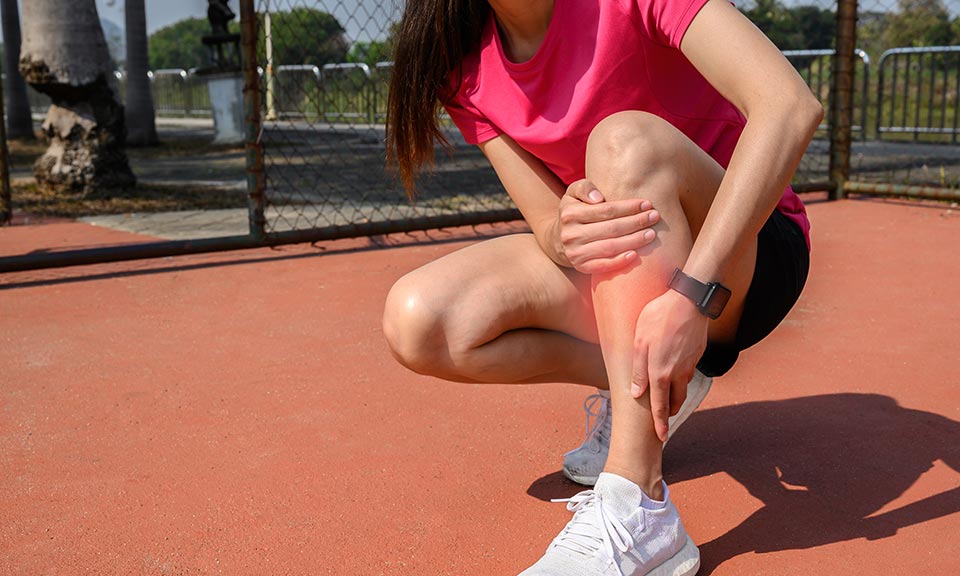
You know that sinking feeling when your kid comes home limping after soccer? We’ve seen it happen countless times. Most pediatric injuries don’t keep kids sidelined for months if you get proper treatment early. That’s the good news.
When a child gets hurt, healing is completely different from adults. Their bodies grow differently, their bones are still developing, and recovery requires a different approach. That’s exactly why pediatric sports injury treatment in North Wales and specialized clinics matter. Early rehab can change everything for a kid, whether they bounce back quickly or struggle with long-term problems.
Common Pediatric Injuries That Benefit From Physical Therapy
Your active kid is going to have bumps and bruises. But some injuries need more attention. Growth plate injuries are one of those. These happen where new bone is forming, and they need careful management. Growth plate injury therapy for kids is specialized because the wrong movements during recovery can affect how that bone develops.
Sprains and strains are super common. Kids get injured, the cast comes off, and suddenly they’ve got weak muscles and very limited movement. We see this all the time, and that’s where post-fracture rehabilitation for children really helps get them back on track.
Why Kids Heal Differently Than Adults
Kids’ bodies have growth plates (cartilage zones where new bone grows). They don’t harden until late adolescence, making them vulnerable. A force that bruises an adult could injure a child’s growth plate.
Children’s flexibility and coordination work differently. Their limbs constantly change, affecting body awareness. Kids’ nervous systems adapt faster than adults with proper therapy.
Benefits of Pediatric Physical Therapy
Early intervention makes a difference. Kids who get proper rehab bounce back way faster than those who just rest. When we teach safe movement, pain goes away quicker.
Strength and balance improvements matter. Kids develop body awareness and stronger muscles. That’s what prevents re-injuries.
What Happens in a Pediatric PT Session
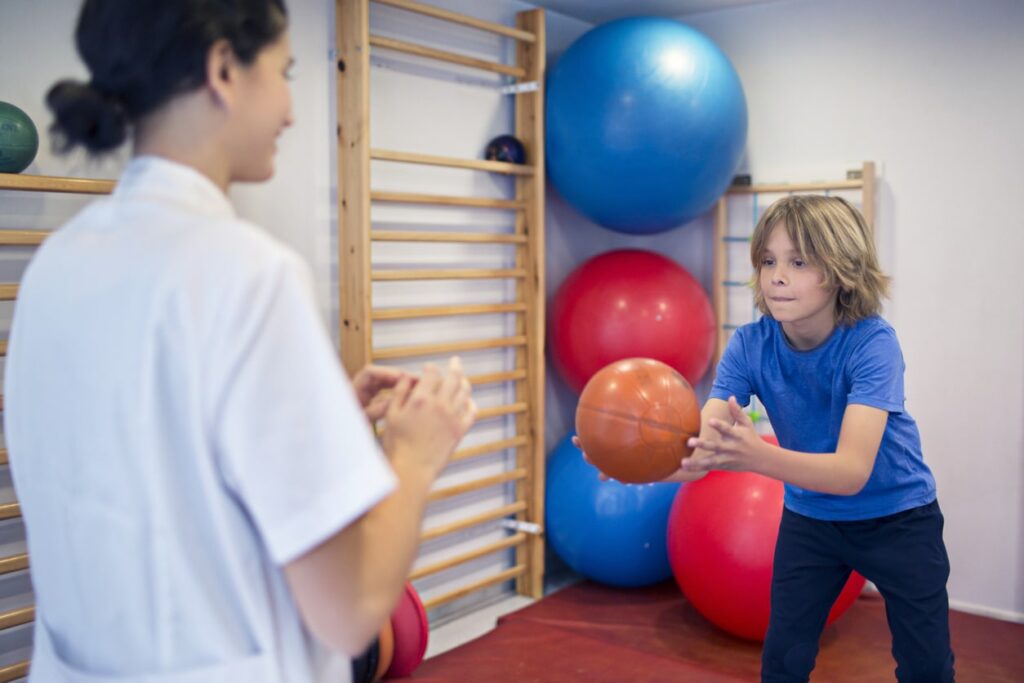
Our pediatric clinic feels like a gym. The therapist watches how your child moves and what motivates them. Then comes play. Instead of boring exercises, we integrate movement into games. Want ankle strength? Maybe hopscotch. Need hip stability? Could be a relay race.
Hands-on work really helps. Stretching, massage, manual therapy. It helps kids get motion back and teaches muscles to work right. Parents learning home exercises is huge. We show you what to do and help catch warning signs.
Play-Based Physical Therapy for Kids: Making Therapy Fun
Want to know our secret to getting kids to stick with rehab? Make it feel less like therapy and more like play.
Play-based physical therapy for kids works because therapists achieve specific goals while children experience it as a game. Game-style exercises keep them motivated. This is where children’s injury rehab near me becomes valuable. Our local therapists design activities around local sports.
Sports-specific drills reconnect kids to what they love. A swimmer does movements mimicking swimming. A soccer player practices dribbling and cutting drills. This rebuilds sport confidence.
When Parents Should Seek PT
Not every minor bump needs physical therapy, but there are definitely some warning signs you should watch for. If your kid is limping, that’s worth addressing early. Recurring pain or trouble moving a joint, those are red flags too. Trouble returning to sports is huge. If your child’s physically healed but scared or struggling, pediatric sports injury treatment in North Wales through our clinic helps bridge that gap.
Home Exercise and Parent Role
Most of the real work happens at home. We can’t stress this enough. 10-15 minutes a day, but it has to happen. The difference between kids who do their exercises and kids who don’t? They come back way faster than the ones who skip it. It’s honestly one of the biggest predictors of how quickly they’ll recover.
Safe activity modifications are important. Your kid might want full soccer right away, but we pump the brakes. Walking drills or passing from standing work better. Then we gradually progress based on how they’re doing.
FAQ Section
- How can we tell if my child’s injury needs PT?
If pain isn’t resolving within a week or movement is clearly altered (limping, favoring one side), that’s when you want our professional evaluation. - What types of injuries heal faster with therapy?
Growth plate injury therapy for kids and post-fracture rehabilitation for children really benefit from early intervention. Sports injuries, in general, respond way better when you get a therapist involved right away instead of waiting. - How does PT keep kids motivated?
Look, it’s not really a secret. Play-based therapy just works. Games, challenges, seeing their own progress, that stuff keeps them engaged way more than boring exercises ever would. - Can PT prevent future sports injuries?
Absolutely, yeah. I mean, look at it this way. Kids come in here with a twisted ankle, we get them moving properly, build up the muscles around that ankle, show them how to land without putting themselves at risk. By the time they’re done, they’ve basically learned not to get hurt the same way twice. It’s preventive medicine, really. - How long does recovery take?
That depends on the injury, honestly. Some kids, we see real progress in a couple weeks. Others, it takes longer. Full healing usually takes somewhere between 6 to 12 weeks, but we’ve seen kids come back faster and some take longer. It just depends on how serious the injury was and how consistent they are with the program.
Conclusion
Here’s what we’ve learned: catch injuries early, get proper rehab going, and kids bounce back faster. They get back to what they love and avoid long-term problems. That’s what good rehabilitation does.
If you’re searching for children’s injury rehab near me or need pediatric sports injury treatment in North Wales, find clinics that specialize in pediatric care. Total Performance Physical Therapy offers child-friendly rehab to help kids return to school, sports, and play.
Your child’s injury is temporary. With our approach, the strength and confidence they build during recovery can last a lifetime.