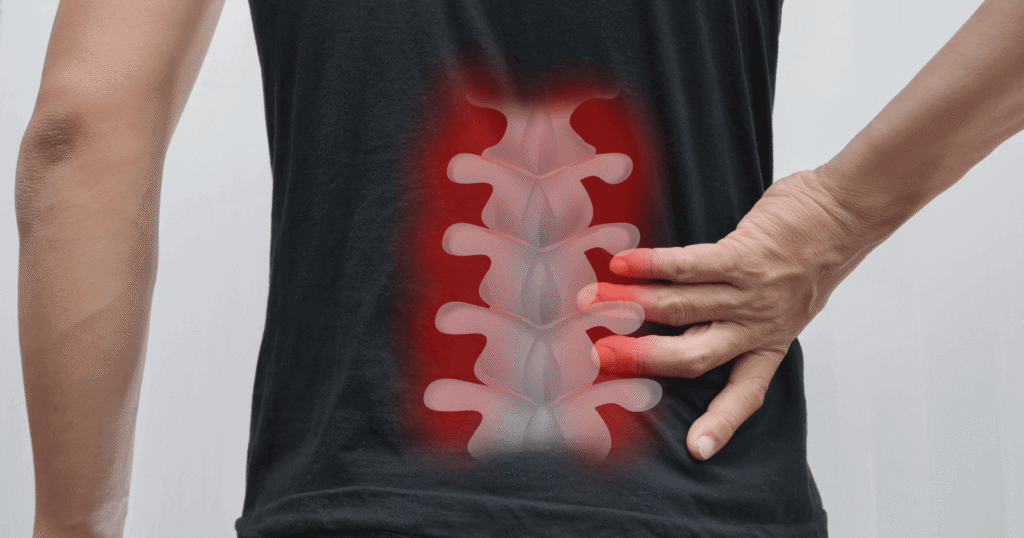
Spinal cord compression is more common than most people realize, and early treatment makes all the difference. Delaying care can turn a manageable issue into something far more serious.
What causes spinal cord compression? It’s basically pressure on your spinal cord or nerves. A herniated disc might be the culprit. Or spinal stenosis. Sometimes it’s from trauma or an accident. Your spinal cord handles all the communication between your brain and body. Put pressure on it, and those messages don’t get through properly.
Some patients wait months before seeking help, hoping the pain will disappear. Others come in immediately when they notice tingling in their hands or sudden weakness. Diagnosing the condition early and starting rehabilitation quickly often determines whether you’ll need surgery. And here’s the good news: physical therapy can help many people avoid surgical procedures entirely.
But here’s the question we hear constantly: Can physical therapy truly help with spinal cord compression?
Understanding Spinal Cord Compression
Picture your spinal cord as a delicate cable running through protective bone channels. When something compresses that cable, trouble starts fast.
Symptoms show up differently for everyone. Some folks experience neck or back pain that won’t quit. Others notice numbness creeping into their arms or legs, or tingling sensations that feel like pins and needles. Weakness becomes noticeable. Maybe you’re dropping things more often or struggling with buttons. Balance issues pop up out of nowhere. In severe cases, bladder or bowel function changes, which is a major red flag.
Here’s what most people don’t realize: severity exists on a spectrum. Some cases absolutely require surgery. Progressive weakness or loss of bladder control need immediate surgical intervention. But many other cases respond surprisingly well to conservative care, especially when caught early.
Role of Physical Therapy
Let’s clear something up right away: PT isn’t a magic cure. We’re not going to tell you it’ll magically fix a herniated disc or make problems disappear. But it plays a vital role in recovery and pain management.
We work to reduce inflammation around the compressed area, which alone can provide significant relief. Posture correction becomes crucial. Most of us have terrible posture from years of desk work, and that compounds the problem. Getting your mobility back safely isn’t quick or simple. You need someone experienced guiding the process.
Personalized treatment plans make or break outcomes. Your MRI results, symptom presentation, and daily activities all factor into the approach.
Key Techniques We Use
- Manual Therapy: Actual hands-on work where we target the exact spots causing problems. This isn’t your typical massage. We’re zeroing in on the specific problem areas.
- Postural Training: Retraining your spine to remember what proper alignment feels like. If you’ve been slouching for 20 years, we’re not fixing that in a week. But stick with it, and your nerve function improves in ways that honestly surprise people.
- Core Strengthening: Your core and back muscles hold everything in place. A solid core becomes your spine’s personal support system, taking load off those compressed spots.
- Aquatic Therapy: A lifesaver for people who can barely move on land. You’re basically weightless in the pool, which means your spine gets a break. But you can still move, stretch, and build strength without the usual discomfort.
- Neuromuscular Re-education: When nerve signals get disrupted, your body forgets certain movement patterns. We help retrain those pathways for better balance and coordination.
When Surgery Becomes Necessary
Nobody wants surgery. We get it. But sometimes conservative care isn’t enough.
Progressive weakness that keeps getting worse is a warning sign. Loss of bladder or bowel control needs immediate evaluation. Even when surgery becomes necessary, PT doesn’t disappear. Post-surgical recovery involves extensive work to help patients regain strength and prevent future issues.
Real Success Story from Horsham
Last year, one of our therapists at Total Performance Physical Therapy worked with a 55-year-old patient who came in barely able to turn her head without shooting pain down her arm. MRI showed cervical spinal stenosis with cord compression. Surgery was on the table, but her neurologist wanted to try conservative care first.
Over 12 weeks, we focused on postural correction, gentle cervical mobilizations, and progressive strengthening. The numbness in her fingers gradually disappeared. Pain levels dropped from an 8/10 to a manageable 2/10. She avoided surgery entirely.
What You Can Do at Home
What you do between sessions matters just as much as the sessions themselves.
- Your sitting posture, sleeping position, even how you stand at the kitchen counter…all of it affects compression. We recommend supportive chairs with proper lumbar support and pillows that maintain neutral neck alignment.
- Daily gentle stretching keeps muscles from tightening up overnight. We’re talking for 10 to 15 minutes, not an hour-long yoga session. Consistency beats intensity every time.
- Stay active, but work with professionals who understand your condition. Walking? Yeah, that’s usually your safest bet and actually does help. Swimming is fantastic. Avoid sudden twisting movements or heavy lifting without proper technique.
Conclusion
Look, we’re not going to promise miracles. But for a lot of people, PT becomes the game-changer that helps them avoid going under the knife.
Does it work for everyone? No. Some situations genuinely need surgery, and that’s okay. But if you’re a candidate for conservative treatment, the improvements can honestly transform your daily life.
Dealing with any of these symptoms? Get yourself checked out by a licensed therapist. A proper assessment tells you exactly where you stand. We work with patients throughout the greater Philadelphia area, with locations in Hatfield, Horsham, North Wales, Harleysville, and East Norriton.
FAQs
- What are the first signs of spinal cord compression?
Most people first notice neck or back pain that won’t go away, plus numbness or tingling creeping into their arms or legs. Weakness in your hands, balance problems, and trouble walking show up too. Anything weird with your bladder or bowels? That needs immediate attention.
- Can spinal cord compression heal without surgery?
Yeah, many cases improve with physical therapy, medications, and lifestyle adjustments, especially when you catch it early. Severe compression with weakness that keeps advancing or bladder problems? That’s when surgery becomes the answer. Your doctor will check your scans and decide the best route.
- How long does it take to see results from physical therapy?
Some people feel pain relief within a few weeks, but getting your full function back usually takes two to three months. Stick with your home exercises between sessions, and you’ll see faster improvements than if you only work during appointments.
- What exercises should I avoid if I have spinal cord compression?
Stay away from heavy lifting, sudden twisting, high-impact stuff like running, and deep bending movements. Don’t try overhead exercises or anything that loads your spine. Talk to your PT before starting anything new since it depends on where your compression is.
- Is aquatic therapy safe for spinal cord compression patients?
Water therapy is actually one of the best options because the buoyancy takes pressure off your spine while you move and build strength. People who struggle with regular exercises often do great in the pool. Just work with someone trained in aquatic therapy for spinal conditions.