Did you know that one in ten people experience plantar fasciitis in their lifetime? This common condition, characterized by sharp heel pain, significantly impacts daily activities like walking and standing. Originating from inflammation or wear and tear of the plantar fascia—the band that supports your foot’s arch—this pain can disrupt your routine and reduce workplace productivity. If not managed well, it can become a recurring nightmare.
Diligent self-care and effective long-term strategies can prevent the recurrence of plantar fasciitis. These include routine stretching to enhance flexibility, choosing the proper footwear to support your arch, and maintaining a healthy weight to reduce foot stress. Integrating strengthening exercises, using orthotics for better foot alignment, and undergoing regular physical therapy is crucial for more enduring relief.
Let’s explore these self-care tips and long-term strategies with our expert physical therapists at Total Performance Physical Therapy Centre, empowering you to manage your foot health effectively and prevent future pain episodes.
Understanding Plantar Fasciitis

Plantar fasciitis arises from strain and inflammation of the plantar fascia, the ligament that supports the foot’s arch. It typically results in sharp heel pain, which is most severe during the first steps after resting or long periods of inactivity.
How the Pain Arises:
Plantar fasciitis pain typically originates from micro-tears and excessive stretching or tension in the plantar fascia. This can occur due to overuse or excessive load on the foot, often exacerbated by poor foot structure, such as flat feet, high arches, or inadequate footwear.
Recurrence Chances of Plantar Fasciitis
The recurrence rate of plantar fasciitis is significant, primarily if the underlying causes aren’t addressed. Studies indicate that recurrence can happen in 30-50% of cases without proper treatment and preventive measures. Factors contributing to recurrence include returning to activities too soon, inadequate footwear, and lack of ongoing stretching and strengthening exercises.
Plantar Fasciitis Long-Term Prevention Strategies
-
Choosing the Right Footwear

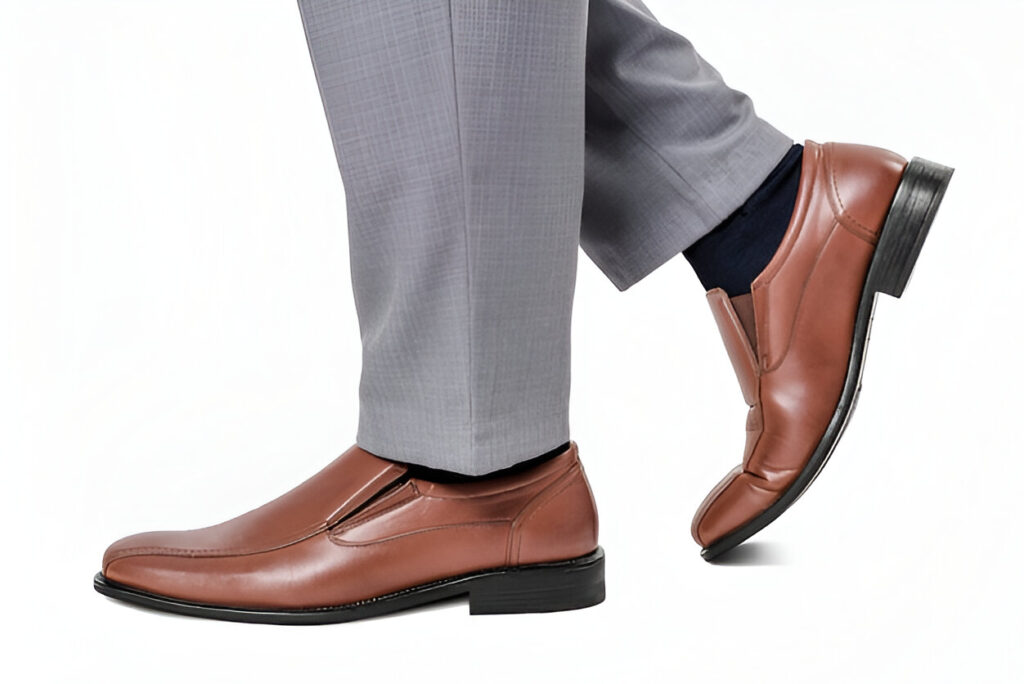
Proper footwear is crucial for preventing plantar fasciitis. Shoes that provide adequate arch support and cushioning help distribute pressure evenly across the foot, reducing the stress and strain on the plantar fascia and preventing the condition from worsening or recurring.
Choose shoes for your specific foot type, whether high arches or flat feet. Look for shoes with good arch support, a cushioned sole, and a slightly raised heel. Avoid worn-out shoes or walking barefoot on hard surfaces for extended periods.
-
The Role of Orthotics
Orthotic devices are custom or over-the-counter inserts placed inside shoes to provide additional support and correct biomechanical imbalances. Orthotics help redistribute pressure across the foot, support the arch, and reduce strain on the plantar fascia, preventing recurrence.
Consult with a podiatrist to determine if custom orthotics are needed. Alternatively, use high-quality, over-the-counter orthotic inserts that provide good arch support and cushioning.
-
Weight Management
Excess body weight stresses the plantar fascia, contributing to pain and increasing the risk of recurrence. To achieve and maintain a healthy weight, adopt a balanced diet and regular exercise routine. Consult with a nutritionist or dietitian for personalized advice.
-
Routine Stretching
Regular stretching of the plantar fascia and Achilles improves flexibility and prevents pain recurrence. IncorFoot Pain Relief Tipsporate stretches into your daily routine, such as calf, toe, and towel stretches. Perform these stretches several times daily, especially in the morning and before physical activity.
-
Strengthening Exercises
Strengthening exercises enhance the foot’s support structures, improve balance, and reduce the risk of plantar fasciitis returning. Include exercises such as toe curls, marble pickups, and calf raises. These exercises can be done at home with minimal equipment.
Physical Therapy – One of the Best Long-term Prevention Strategies for Plantar Fasciitis
Physical therapy offers a targeted, effective approach to treating and preventing plantar fasciitis recurrence. The underlying causes are addressed through personalized treatment plans, such as poor foot mechanics, tight muscles, and weakness. At Total Performance, we excel in providing the best physical therapy for plantar fasciitis, and here’s how we proceed with the implementation –
Step 1 – Initial Assessment: A thorough evaluation by a physical therapist will identify specific issues causing your plantar fasciitis. This includes analyzing your gait, foot mechanics, flexibility, and overall physical condition.
Step 2 – Suggesting Customized Treatment Program: We suggest and incorporate specific stretches, such as calf and plantar fascia stretches, to reduce tension and improve flexibility.
- Strengthening: Exercises such as toe curls, marble pickups, and heel raises strengthen the muscles supporting the arch, enhancing foot stability.
- Balance Exercises: Activities that improve balance and proprioception, like standing on one foot or using a balance board, help reduce the risk of future injury.
- Manual Therapy: Our techniques include deep tissue massage, myofascial release, and joint mobilizations to alleviate pain, reduce inflammation, and improve mobility.
Step 3 – Patient Education – We educate you on proper foot care, the importance of suitable footwear, and how to modify activities to avoid exacerbating the condition. This includes guidance on avoiding prolonged standing and ensuring a gradual progression in physical activities.
Step 4 – Follow-Up and Adjustment – We provide regular follow-up sessions to monitor progress and adjust the treatment plan as needed, ensuring continuous improvement. This may include modifying exercises based on feedback and recovery status.
Following these steps ensures a comprehensive approach to managing and preventing plantar fasciitis, helping you maintain a pain-free, active lifestyle.
Self-Care Tips for Plantar Fasciitis
-
Rest
Avoid activities that strain your feet, such as running or standing for long periods. Resting helps reduce inflammation and prevents further injury, giving the plantar fascia time to heal.
-
Ice Therapy
Apply ice to the affected area for 15-20 minutes several times daily. This helps numb the pain and decrease inflammation, promoting faster recovery.
-
Massage
Use your hands or a massage tool like a tennis ball to gently massage the arch and heel for 5-10 minutes daily. This will improve blood flow, reduce tension, and alleviate pain.
-
Elevation
Elevate your feet above heart level using pillows to reduce swelling and improve circulation. This can help ease discomfort and promote healing.
-
Anti-inflammatory Medications:
Take NSAIDs like ibuprofen as directed by your healthcare provider to manage pain and inflammation. These medications provide quick relief and make it easier to perform daily activities.
-
Night Splints
Wear night splints to keep your foot in a dorsiflexed position overnight, stretching the plantar fascia and Achilles tendon. This helps prevent morning pain and stiffness by keeping the plantar fascia from tightening while you sleep.
Incorporating these self-care tips into your daily routine can significantly alleviate symptoms, enhance recovery, and prevent future episodes of plantar fasciitis. Always consult with a healthcare provider for personalized advice before starting any new treatment.
Conclusion
Successfully managing plantar fasciitis involves a holistic approach that combines consistent self-care with long-term preventive strategies. Regular stretching, choosing the right footwear, and maintaining a healthy weight can greatly reduce the strain on your plantar fascia. Strengthening exercises and orthotics further enhance foot stability and prevent recurrence.
At Total Performance Physical Therapy, our personalized physical therapy programs address the root causes of plantar fasciitis, ensuring effective and lasting relief. By integrating these strategies into your routine, you can enjoy a pain-free, active lifestyle.
Don’t let plantar fasciitis hold you back! Contact us today to schedule your consultation.